Service Desk
SaaS support tickets through triage and a capacity-capped agent pool to resolution.
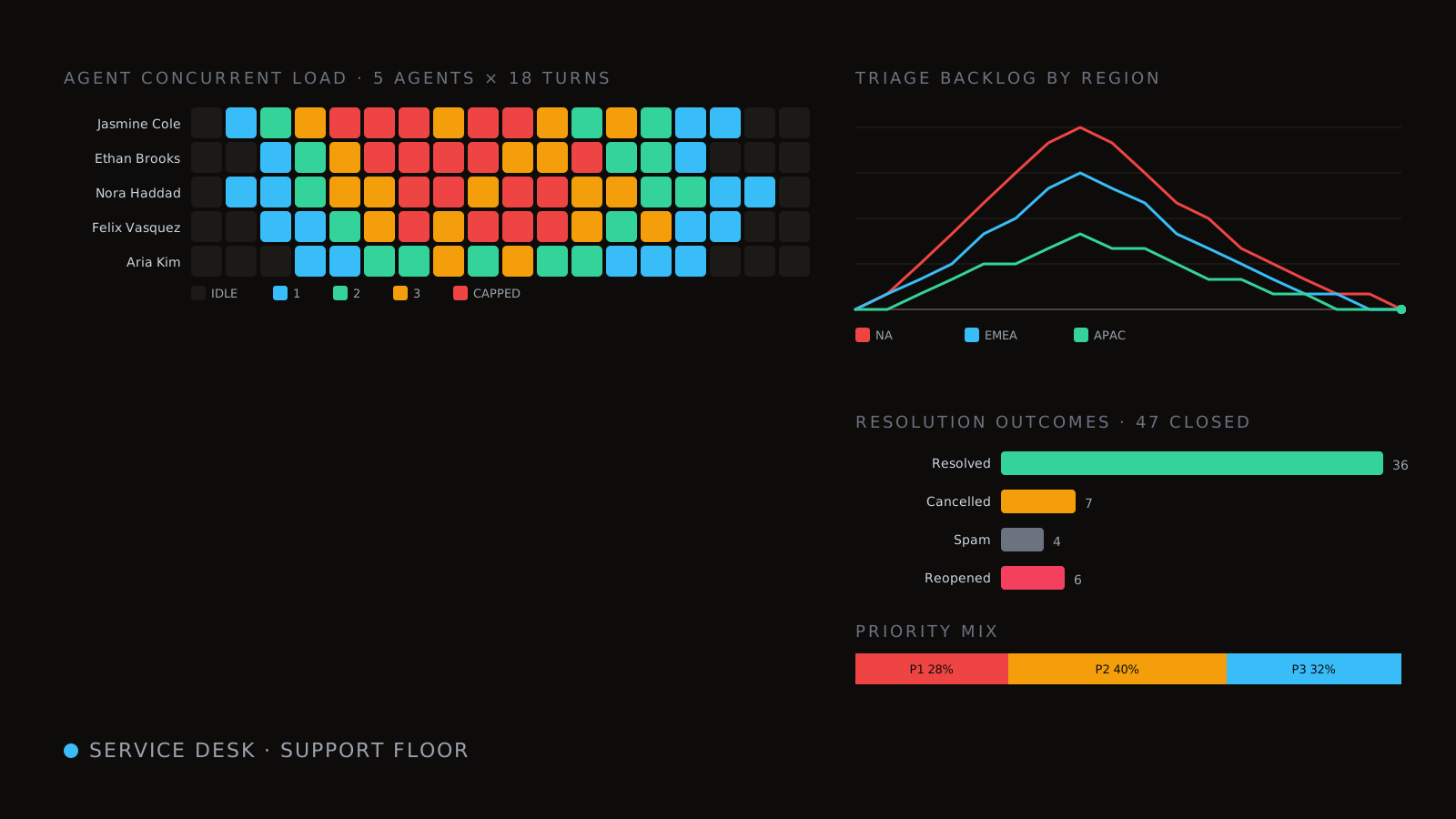
A SaaS support desk from filing to close. Accounts provision users who file tickets about the vendor's products; each ticket goes New → Triage → Assigned → In Progress → Resolved → Closed, with a Pending-Customer side loop and a Resolved → In Progress reopen. An agent is assigned by region as a first-match message the agent defers when at its open-ticket cap, so a triage backlog forms while the agent holds the slot from acceptance until the ticket finally closes.
A faithful model of support capacity. Agents are deliberately thin against the seeded account base, so a triage backlog forms under load while resolutions, reopens, and per-product resolution mix accumulate per agent. Built to study backlog and flow, where tickets wait, agent productivity and rework rate, and SLA exposure by product and priority.
Linked tables with guaranteed referential integrity.
Generated REST endpoints. Also exposed as MCP tools.
OSI-compatible definition, emitted with the dataset.
# service-desk.osi.yaml — emitted automatically
semantic_model:
  name: "service-desk"
  source: "duckdb://service-desk.db"
  entities:
    - name: ticket
      primary_key: id
  dimensions:
    - name: state
      type: categorical
    - name: t
      type: time
  measures:
    - name: row_count
      agg: count
    - name: active
      agg: sum
      filter: "state = 'ACTIVE'"
More worlds.
 ▶ REPLAY
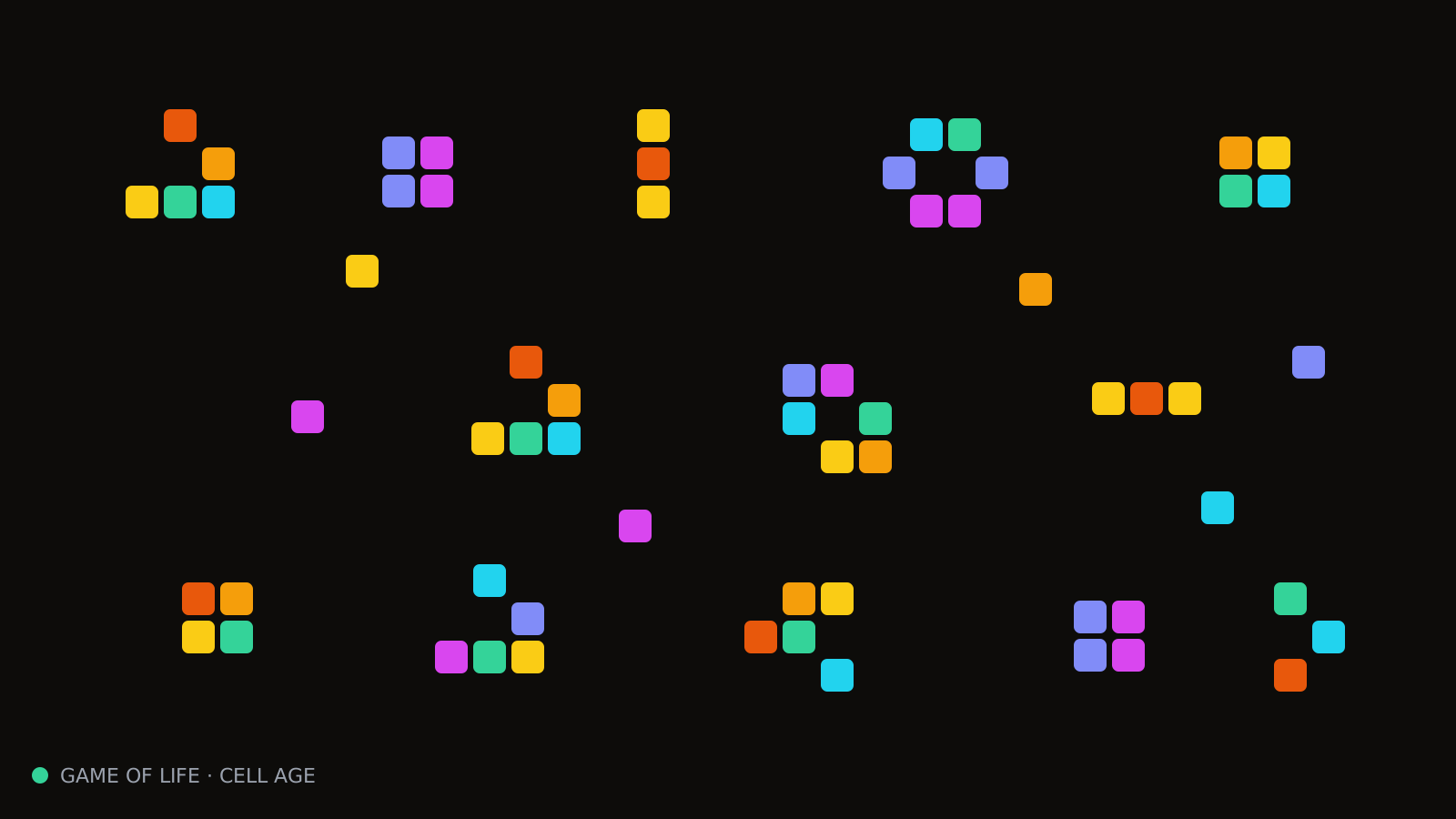
 Game of Life
Conway's automaton as a perfectly observable, deterministic grid world.
 ▶ REPLAY
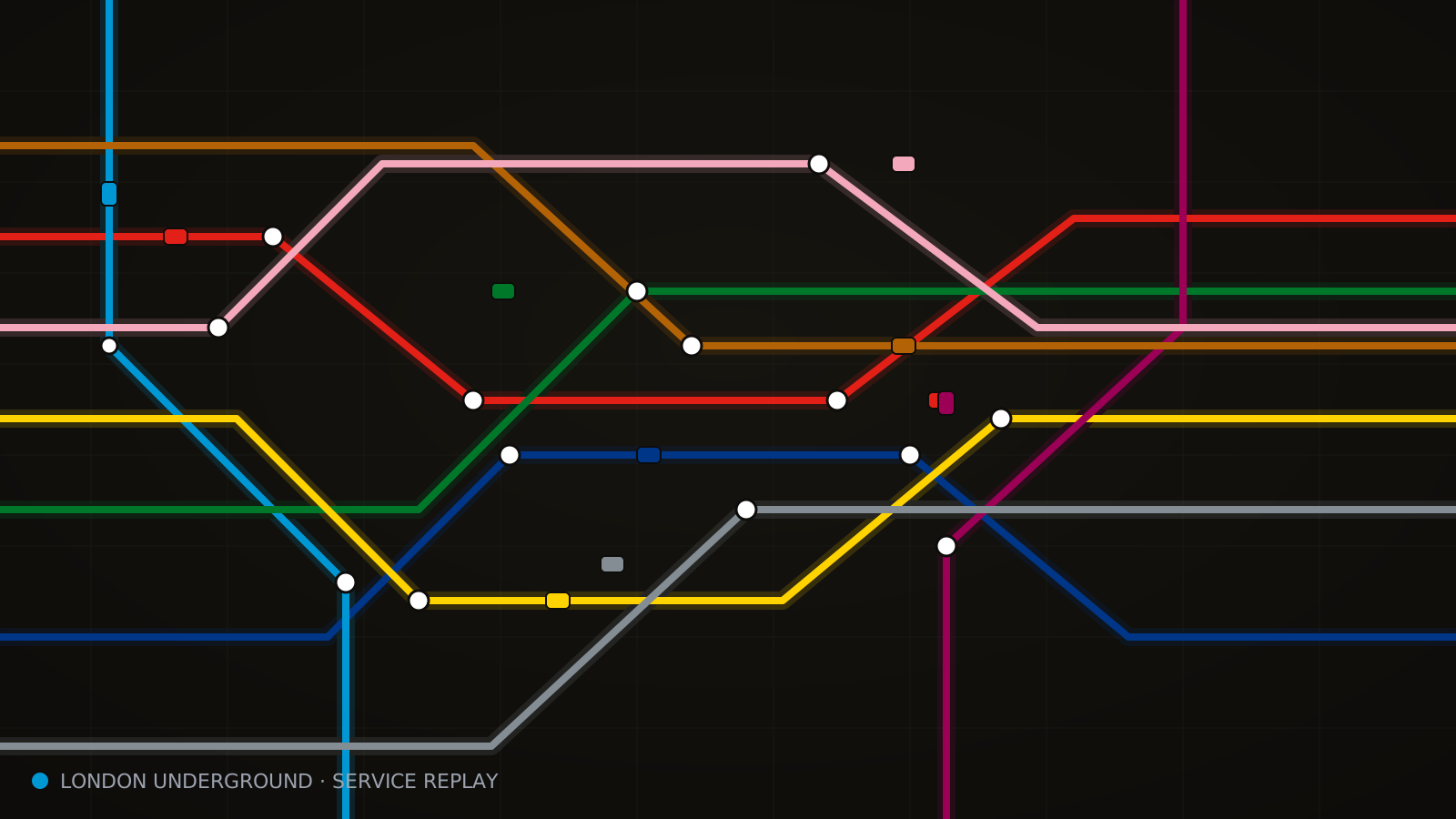
 London Underground
A live tube graph — eleven lines, hundreds of trains, platforms held as a mutex.
 ▶ REPLAY
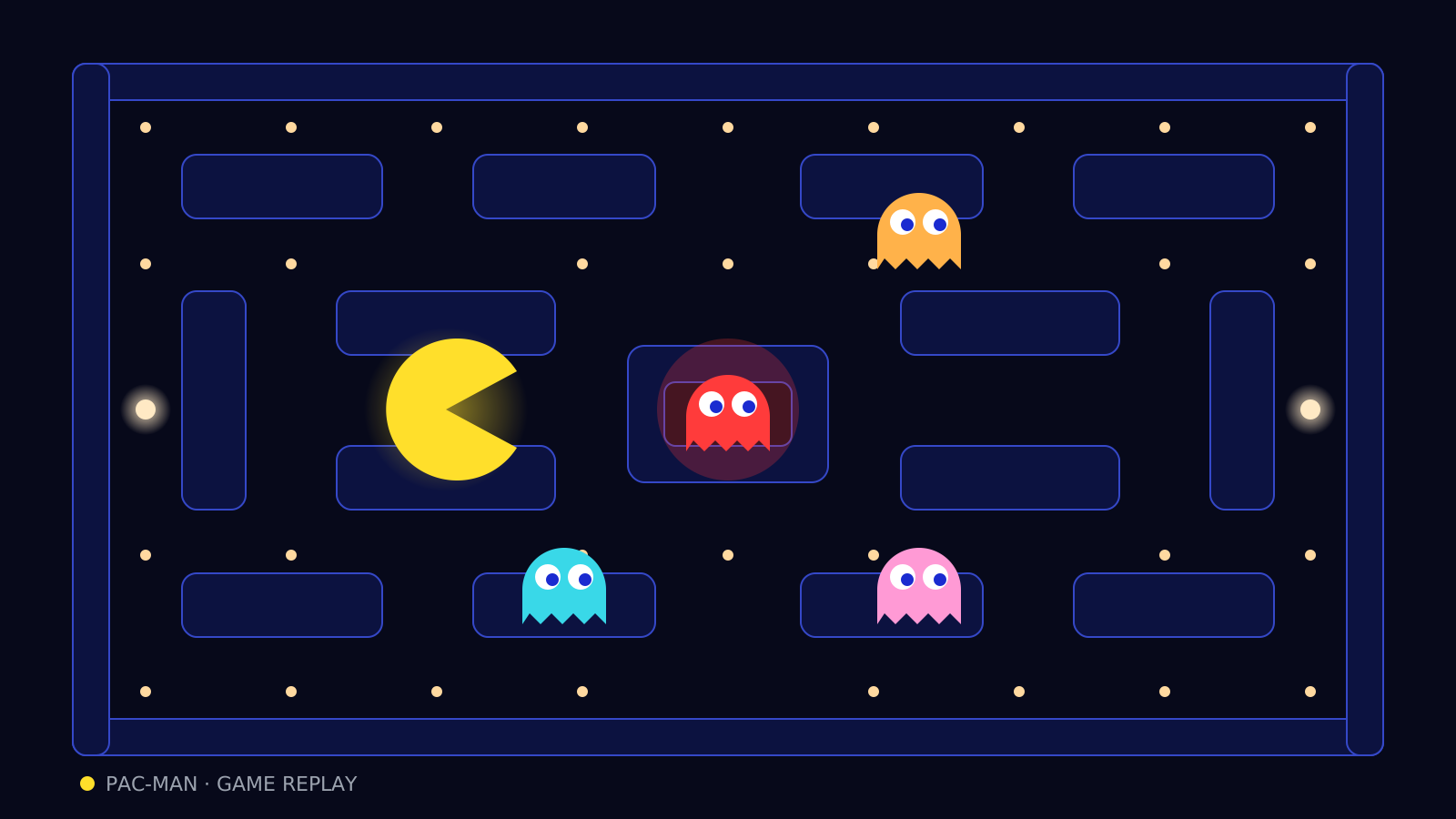
 Pac-Man
A self-playing arcade game — ghosts chase a flood-filled distance field.